A clinical placement in Ireland enriches you as a person and as a future doctor

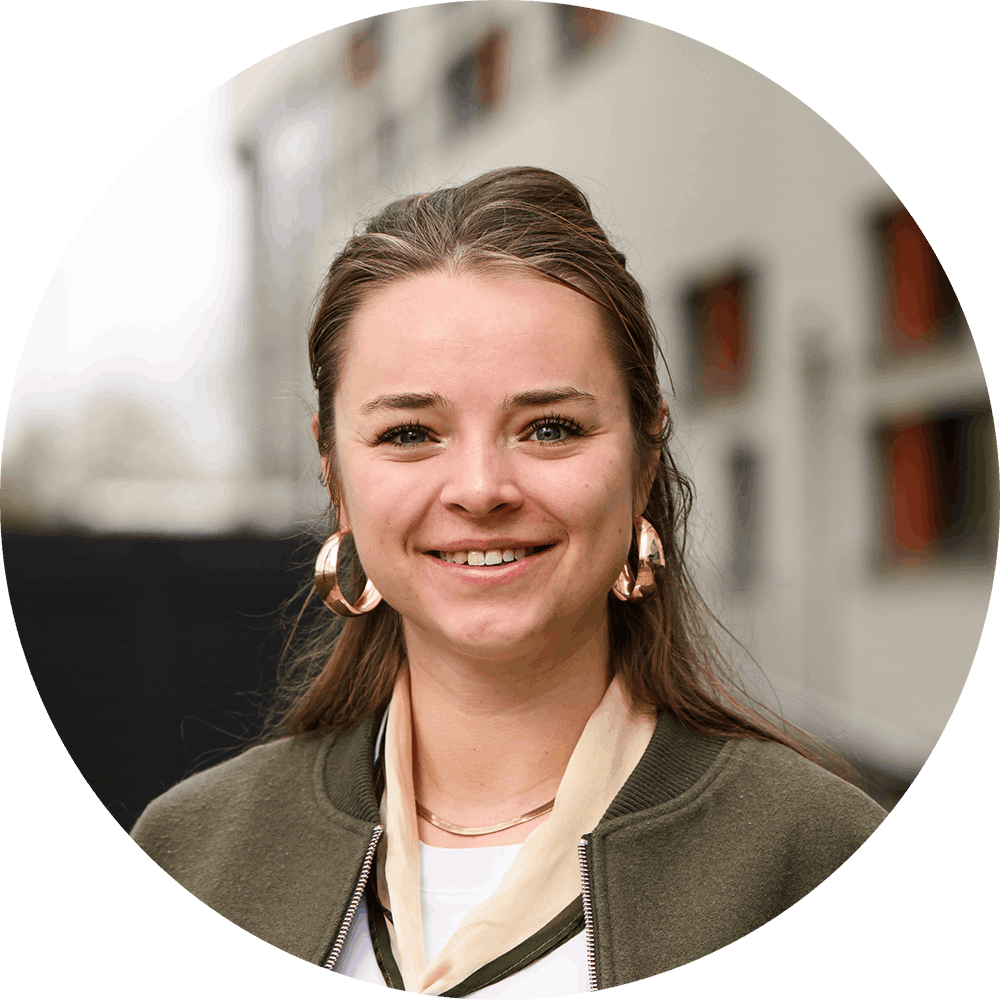
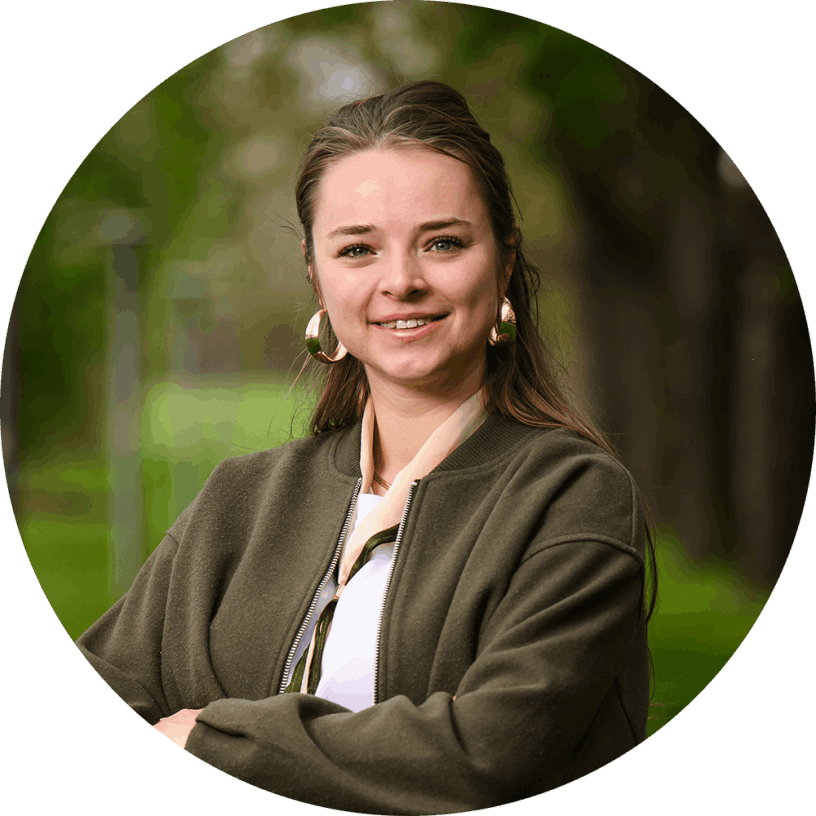
Jip Bremer has just returned from a five-week stay in Ireland, where she completed her psychiatry internship in the town of Mullingar , an hour’s train journey from Dublin. “An incredibly fun and educational experience,” she says enthusiastically. “Because even though Ireland is a European country, healthcare is really very different from the Netherlands. The biggest culture shock: they still work with paper files!”

Since March 2025, Maastricht medical students have had the opportunity to complete a clinical rotation in Ireland. Jeroen Reijnders, surgeon (non-practicing), coordinator of the surgical rotation, and co-initiator of the Irish rotation: “The collaboration with Ireland was originally set up for students from Saudi Arabia. When this intake stopped a few years ago, we decided not to sever ties, but rather to continue them structurally, now for Maastricht students.”

That sounds simpler than it is. “Healthcare in Ireland is organized very differently. That is why we collaborate with individual medical specialists (so-called consultants) in various hospitals. This makes communication and organization more complex. Currently, four hospitals and a psychiatric center are participating. From Maastricht, we provide the content direction for the clinical rotations, while the consultants ensure sufficient placements. A new student can start every two weeks. This means there are always several Maastricht students in Mullingar at the same time -theoretically about five-although we are not currently reaching that number.” 

Differences with the Netherlands

For Jip, Ireland was her second clinical placement abroad. “I had been to Ghana before, and there I expected quite significant differences compared to the Dutch healthcare system. I hadn’t expected that this would also apply to Ireland. The lack of an electronic patient record was certainly not the only difference. The pace of work is slower there, for example. In the Netherlands, everyone is constantly planning and thinking ahead; in Ireland, things are much more relaxed. Everyone is more flexible, and that provides a bit more peace and balance. Something else I noticed is that the private healthcare sector in Ireland is highly developed, meaning that access to care is somewhat determined by the size of your wallet.”

Need for autonomy

The organization of education and the role of interns also differ. Jip: “Irish medical students spend a larger part of their time on education and assessments, whereas Dutch interns are strongly focused on learning in clinical practice and have a greater need for autonomy.” This sometimes led to searching for the right balance. “I discussed this with my supervisor and it was handled well.” Jeroen: “What exactly is the role of the Dutch intern and how much responsibility can they handle (medical procedures, independence)? That is still evolving. Both sides are learning from each other in this regard.”

Complex organization

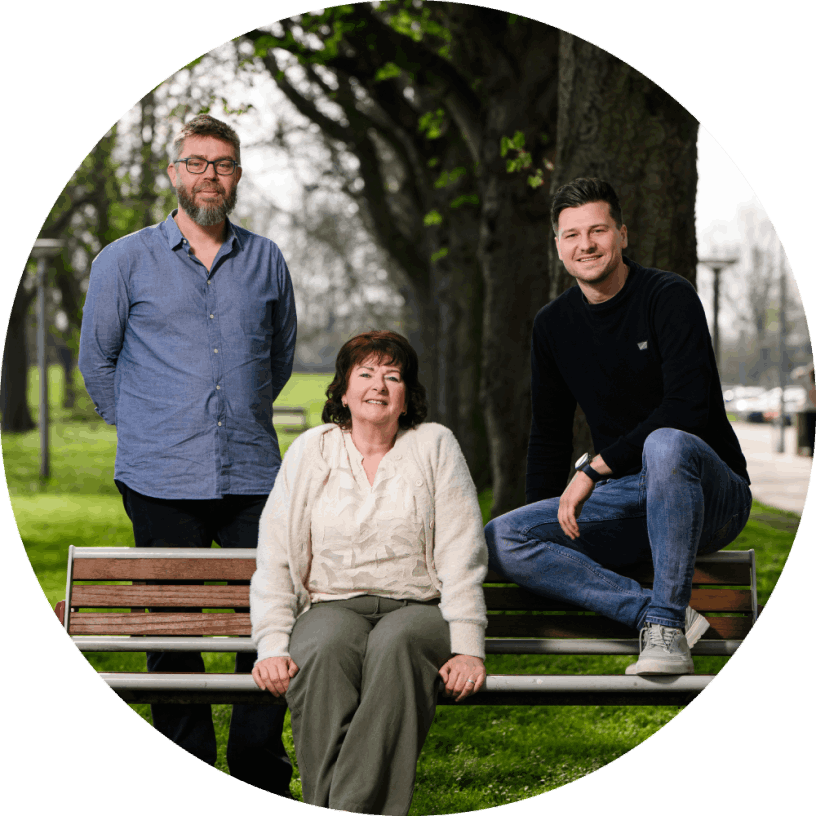
Behind the collaboration with Ireland lies a complex organization, something Doreen de Loo and Vince Di Giulio, International Relations Officer, can attest to. Doreen: “The International Relations Office (IRO) is the link between students, Maastricht, and the hospitals in Ireland. We handle applications, maintain contact with Ireland, provide practical information, and guide students in their preparation.”

 “In addition, we need to ensure that systems such as the portfolio and assessment align,” Vince adds. “Then there is the ICT access that needs to be arranged and the clinical placement schedule that needs to be accurate. That requires coordination on many fronts; from IRO and clinical placement coordinators to planning and the examination committee. It is precisely this multitude of links that makes the collaboration intensive to organize, but that makes it all the more rewarding when everything comes together.”

From left to right: Vince Di Giulio, Doreen de Loo and Jeroen Reijnders
Student feedback

“Because the collaboration is still relatively new, we sometimes encounter things that are not yet fully arranged,” says Doreen . “For example, because the clinical placement schedule had the status ‘final,’ students thought that everything was set in stone and that Ireland was no longer an option.
For us, this was a signal to sit down and adjust the process.” Vince: “We discover what works and what doesn’t as we go along. Communication lines are short, and we receive valuable feedback from the interns, for example regarding planning, communication, or accommodation.” For instance, Jip reported that her first host was not pleasant, forcing her to look for another place. “I am now in discussions with IRO to better inform future interns, for example with an overview of reliable addresses and a WhatsApp group where experiences are shared.”

Expansion of collaboration and growth of offering

According to Jeroen, that is precisely the added value. “International experience absolutely contributes to the professional and personal development of the doctors of the future.” The ambition is to further expand the collaboration in the coming years. The aim is to eventually have a continuous presence of Maastricht students in Ireland and to expand the offerings with, for example, scientific internships and possibly the GEZP as a final internship. In this way, this can develop into a permanent international training location where Maastricht medical students have the opportunity to gain work and life experience.

“It is enriching, you learn to adapt and develop a broader perspective.”

Jip looks back on a wonderful time. “At work, the atmosphere was open and approachable; colleagues welcomed me immediately and invited me to join them at the pub, where there was a live performance and pub quiz almost every week. I quickly felt like part of the team. In addition, I started working out and connected with other Maastricht interns via the WhatsApp group. All in all, I felt at home very quickly.” For Jip, the value of an internship abroad lies primarily in getting acquainted with a different healthcare system and a different way of working.  

Are you interested in doing a clinical placement in Ireland?

Would you like to sign up or do you have any questions?
Then please contact IRO via ASKFHML or sign up for the daily consultation hour (11:00-12:00) via Contact the FHML Education Affairs Department | Maastricht University intranet.